Underground excavations in Austin represent a specialized branch of geotechnical engineering that deals with the planning, design, construction, and support of subsurface openings. This category encompasses everything from shallow utility trenches to deep shafts and complex tunnel networks. Given Austin's rapid urbanization and the increasing demand for underground infrastructure—such as transit systems, utility corridors, and stormwater management solutions—the role of precise geotechnical analysis has never been more critical. Properly executed geotechnical design of deep excavations ensures that these projects are not only feasible but also safe for both workers and the surrounding urban environment.
The local geology of Austin presents a unique set of challenges for underground construction. The region is characterized by the Balcones Fault Zone, which creates a transitional area between the limestone-dominated Edwards Plateau to the west and the softer, clay-rich Blackland Prairie to the east. This geological dichotomy means that a single project can encounter highly variable conditions, ranging from competent rock requiring blasting to squeezing ground and geotechnical analysis for soft soil tunnels. The presence of karst features, including solution cavities and conduits in the limestone, adds another layer of complexity, posing risks of sudden ground collapse and groundwater inflow that must be carefully investigated and mitigated.
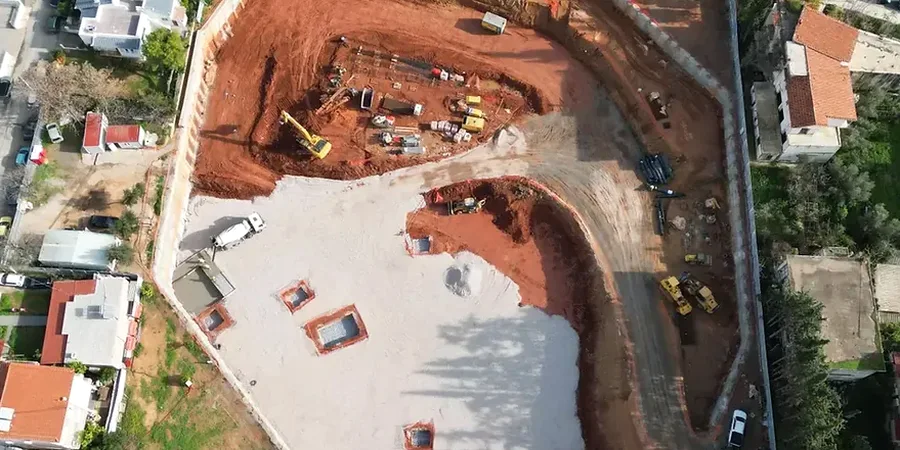
Regulatory compliance is a cornerstone of any excavation project in Austin. All underground work must adhere to the standards set by the Occupational Safety and Health Administration (OSHA), specifically the excavation and trenching standard 29 CFR 1926 Subpart P, which mandates protective systems for excavations deeper than five feet. Furthermore, the City of Austin’s Environmental Criteria Manual and the requirements of Austin Water Utility govern the design of subsurface infrastructure, particularly regarding groundwater protection and the management of excavated materials. Projects that intersect public rights-of-way require detailed subsurface utility engineering (SUE) investigations and adherence to the City’s Standard Specifications for construction, ensuring that new excavations do not compromise existing underground assets.
The types of projects that necessitate comprehensive underground excavation expertise are diverse and vital to Austin's growth. These include the installation and rehabilitation of large-diameter water and wastewater lines, the construction of underground detention vaults for flood control, and the development of below-grade parking structures in the dense urban core. Trenchless technologies, such as microtunneling for utility installation beneath highways and waterways, also fall under this category and require sophisticated geotechnical excavation monitoring to control ground settlement. As the city explores future transit solutions, the potential for cut-and-cover or bored tunnels for light rail will demand an integrated approach, combining robust design with continuous field verification to manage risks in real-time.
Frequently asked questions
What are the main geotechnical risks associated with underground excavations in Austin?
The primary risks stem from Austin's location across the Balcones Fault Zone, leading to highly variable ground conditions. In the east, soft, expansive clays can cause ground instability and squeezing, while the western limestone is prone to karst features like voids and caves. Uncontrolled groundwater inflow from fractured rock and the potential for settlement damage to nearby structures are also significant concerns that require careful pre-construction investigation.
What regulations govern underground construction safety in Austin?
Federal OSHA standard 29 CFR 1926 Subpart P is the primary regulation for excavation and trenching safety, requiring protective systems for excavations deeper than five feet. Locally, the City of Austin’s Environmental Criteria Manual and Austin Water Utility standards govern design, groundwater protection, and utility coordination. Any work in the public right-of-way must also comply with the city's standard specifications and permitting processes.
How does the Balcones Fault Zone impact the design of deep excavations?
The Balcones Fault Zone creates a sharp geological transition within the city, meaning a single deep excavation can encounter hard limestone and soft clay simultaneously. This demands flexible design approaches, such as mixed-face tunneling strategies or excavation support systems that can handle both rock and soil loads. It also necessitates extensive geotechnical borings to map the unpredictable rockhead profile and locate potential fault gouge zones.
What is the typical process for monitoring an underground excavation project in an urban area like Austin?
The monitoring process involves establishing baseline conditions before work begins, then continuously tracking key parameters during construction. This typically includes using inclinometers to detect ground movement, piezometers for groundwater levels, vibration monitors for blasting or heavy machinery, and precise survey points on adjacent buildings and pavements. Real-time data is analyzed against predetermined threshold values to provide early warning of any ground distress, allowing for immediate mitigation.